Can personalized coffee packaging can noticeably improve shelf appeal when design choices match customer expectations and shopping habits. Retail studies show many shoppers spend less than 10 seconds comparing products on a shelf, and packaging often becomes the first source of product information. Personalized colors, graphics, seasonal editions, local artwork, and customized messages increase visual interest and help coffee stand out among similar products. Brands also report stronger customer recall, more social sharing, and higher repeat purchases when packaging reflects a recognizable identity while remaining consistent across different product lines.
Coffee buyers often compare dozens of products before making a purchase. Research on retail shopping behavior has found that more than 70% of purchase decisions are made inside the store, while first visual impressions are formed within only a few seconds. A coffee package must communicate roast level, flavor notes, origin, and brand personality without overwhelming the shopper. Personalized packaging gives brands another way to attract attention without changing the coffee itself.
A personalized package does not always mean adding a customer's name. It may include seasonal illustrations, regional artwork, limited-edition labels, custom gift packaging, or packaging designed for a specific audience. These small adjustments give shoppers something different to notice while keeping the product recognizable.
Consumers also respond to familiar visual patterns. A Nielsen consumer study found that consistent branding improves product recognition across different retail channels. For coffee brands, keeping the same logo, typography, and color family while introducing personalized graphics helps customers identify the brand more quickly. Consistency builds familiarity, while personalization adds freshness that encourages people to stop and look.
Different printing technologies have made customization easier than it was ten years ago. Digital printing allows smaller production runs without producing thousands of identical packages. A roaster can release holiday editions, anniversary collections, or limited regional artwork without replacing its entire packaging system. Since around 2020, many specialty coffee companies have expanded these short-run collections because setup costs have become more affordable than traditional printing methods.
| Personalization method | Customer response |
|---|---|
| Seasonal graphics | Encourages repeat visits during limited sales periods |
| Local artwork | Builds stronger community interest |
| Personalized gift labels | Increases gift purchases |
| Limited edition colors | Creates visual variety on crowded shelves |
| QR codes with farm stories | Extends customer engagement after purchase |
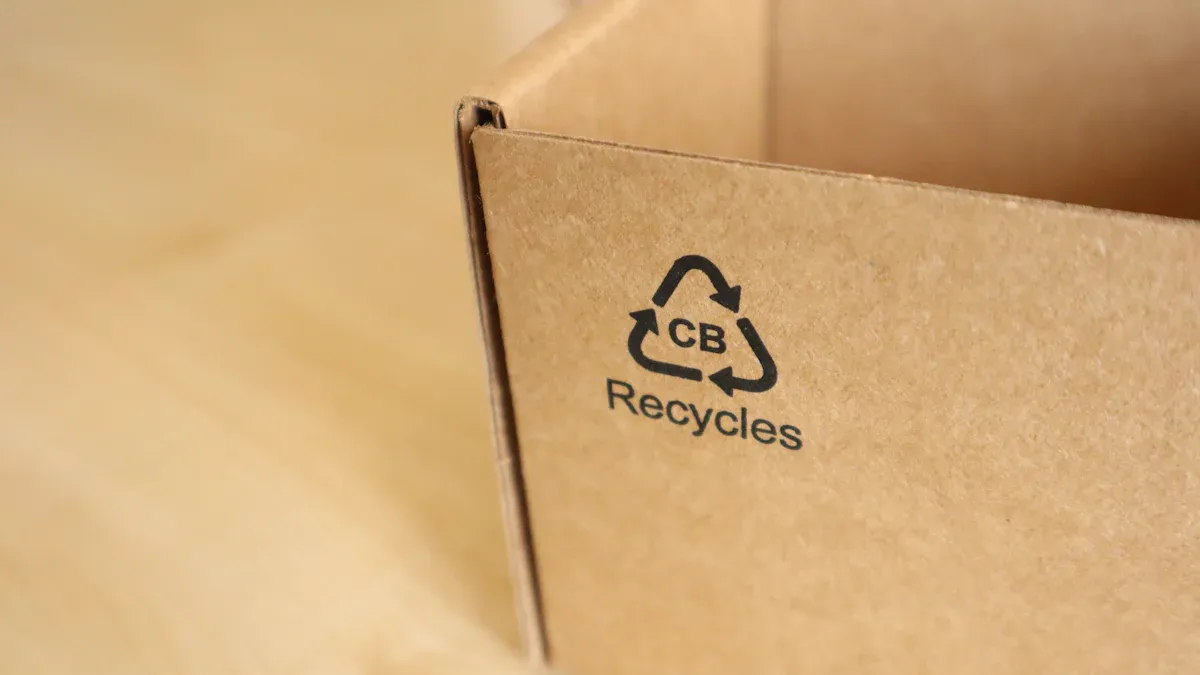
As personalization becomes more common, shoppers also pay closer attention to packaging materials. Sustainability influences purchasing decisions across many grocery categories. Surveys published during the past five years have shown that over 60% of consumers consider recyclable or renewable packaging when comparing similar products. Brands increasingly combine personalized graphics with eco packaging solutions to reduce environmental impact while maintaining attractive shelf presentation.
Material selection also changes how customers feel about quality. Matte finishes, textured paper, recyclable films, compostable pouches, and water-based inks often communicate care and craftsmanship without increasing visual complexity. These materials support premium positioning while remaining practical for shipping and retail storage.
Personalized packaging also supports storytelling. Coffee buyers frequently want information about growing regions, processing methods, roast profiles, and brewing suggestions. Instead of placing every detail on the front panel, brands often use side panels or QR codes to provide additional content. According to industry reports published after 2021, QR code usage on food packaging has continued to grow because customers increasingly expect digital information alongside printed labels.
Shelf appeal also depends on color selection. Dark packaging has traditionally represented espresso and dark roast products, while lighter colors are commonly used for medium and light roasts. Personalized designs can introduce limited seasonal palettes without removing these familiar signals. A winter edition may use deep green or navy accents, while a summer release may introduce lighter neutral tones that remain consistent with the overall brand identity.
Packaging size influences visibility as well. Larger front panels provide more room for illustrations and product information, but they also require careful layout. Crowded labels reduce readability. Eye-tracking research involving hundreds of retail participants has shown that shoppers usually notice product names and colors before reading smaller descriptive text. Clear spacing, readable fonts, and balanced layouts help customers process information more comfortably.
Many coffee companies also personalize packaging for online sales. A customer who orders coffee through an e-commerce website often shares photos of attractive packaging on social media. Limited seasonal designs, thank-you messages, and customized shipping sleeves encourage additional user-generated content without requiring expensive advertising campaigns. Several specialty brands reported increased customer engagement after introducing personalized subscription packaging between 2022 and 2024.
Packaging should also remain practical after purchase. Resealable zippers, one-way degassing valves, moisture protection, and durable materials improve everyday use. Customers often keep coffee bags visible on kitchen counters for several weeks. Attractive personalized packaging therefore continues promoting the brand long after the product leaves the store shelf.
Brand recognition still depends on balance. Frequent design changes can confuse returning customers if logos, colors, or product naming become inconsistent. Successful coffee brands usually personalize selected design elements while preserving recognizable visual features across every collection. This approach allows each release to feel different without making customers search for a familiar product every time they visit a store.
Retail competition continues to increase each year, especially in premium and specialty coffee categories. Packaging remains one of the first product features shoppers experience, making personalization a practical way to improve shelf visibility, communicate product information, support brand recognition, and create a more enjoyable shopping experience without changing the coffee inside the bag.